“Trust God’s timing…His plan comes first, not what the world or you want.”
OBJECTIVE:
- John 7:1-13
EXPLORE:
(These are different commentary notes that can be used to explain the context to our students. Feel free to use your own.)
Context / Background / History
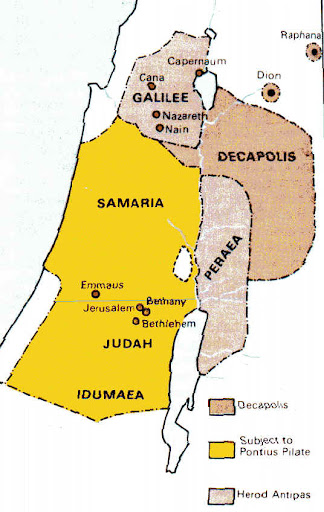
Jesus’ Location and Timing (John 7:1-2)
- Jesus stayed in Galilee instead of Judea because Jewish leaders were seeking to kill Him. This wasn’t cowardice, but a deliberate awareness of God’s perfect timing. His arrest and crucifixion had not yet come.
- The Feast of Tabernacles was a joyful, weeklong celebration in September or October. Families built temporary shelters to remember God’s faithfulness during Israel’s wilderness journey.
The Opposition of Jesus’ Brothers (John 7:3-5)
- Jesus’ brothers urged Him to go publicly to Jerusalem to show His works, reflecting worldly thinking.
- They didn’t yet believe in Him as Messiah. Their focus was on human approval rather than God’s plan.
- Cultural expectations assumed the Messiah would make Himself publicly known; Jesus’ true glory would only be revealed through the crucifixion.
Jesus’ Response: Different Worlds (John 7:6-9)
- Jesus said, “My time has not yet come”, showing submission to God’s perfect timing.
- Boldly confronting sin meant the world hated Him, whereas His brothers, aligned with society’s norms, would not face the same opposition.
- Going secretly demonstrated wisdom and courage. He acted boldly while avoiding unnecessary danger.
Jesus at the Feast (John 7:10-13)
- He went to the feast not publicly, avoiding the usual caravan. This was strategic, not deceptive.
- Public opinion was divided: some said He was good, others accused Him of deceiving.
- Speaking openly about Jesus was risky because of the religious authorities.
Takeaways for Students:
- God’s timing is more important than public approval.
- Even close friends or family may not understand your faith journey.
- Bold faith may require courage, wisdom, and sometimes discretion.
- Standing for truth may cause division, but it shows commitment to God over the world.
STUDENT RESOURCES:
- Youtube Video - John 7 Spoken Word
SMALL GROUP QUESTIONS:
Scripture (S)
- Read together! Encourage students to highlight or make note of anything that stands out to them.
Observation (O)
- Why did Jesus wait to go to Judea, and what does this show about His trust in God’s timing?
- How did His brothers respond to His ministry, and what does that teach us about following God even when others don’t understand?
- How did Jesus balance boldness and caution when He went to the Feast of Tabernacles?
- How do the people’s reactions show the challenge of standing for God’s truth?
Application (A)
- Where are you tempted to compromise your values because of peer pressure? How can you follow Jesus’ example?
- Are there situations where you feel rushed to act? How can you wait for God’s perfect timing?
- How can you act courageously but wisely when facing challenges to your faith?
- How do you respond when friends or family pressure you to do something against your faith?
- How can you stay faithful to God even when others don’t understand or believe?
Prayer (P)
- Take a few moments to reflect on areas in your life where you feel pressure…from friends, family, or even yourself… to act before God’s timing. This is a time to bring those things before Him and receive His guidance and strength.
Guided Prayer Prompts (students can pray silently, aloud, or in pairs):
- Ask God to show you where you might be rushing ahead of His plan.
- Pray for courage to stand firm in your faith, even when others don’t understand.
- Pray for wisdom to act boldly but wisely in situations where you face pressure.
- Ask God to help you honor Him with your choices, words, and actions this week.
Optional Personal Reflection:
- Invite students to write or share one specific area where they want to trust God’s timing this week.
- Encourage them to commit to one bold action aligned with God’s plan.

Dusty Bibles
Dusty Bibles is a 7-week small group journey designed to help students encounter Jesus through the Gospel of John. Built around a daily reading plan, each week includes two lessons (Wednesday + Sunday) tied directly to the passages your students are reading. Each lesson comes with context, leader resources, and small group questions to spark discussion. Plus, you’ll get a reading plan, screens, and logos to make the series your own. Invite your students to open their Bibles, dust them off, and discover the life-changing message of Jesus together.
7 Week Small Group Lesson Series.
Full package also available on Dropbox.
