OBJECTIVE:
- John 20:1–18
- This passage is the heart of the Christian faith: the resurrection of Jesus. Without it, the cross would only be a tragic execution; with it, we see victory, life, and hope. John’s telling of the resurrection is full of personal details, symbolism, and quiet power. When we slow down, we notice how John presents not just facts about the resurrection but also how people respond to the empty tomb.
EXPLORE:
(These are different commentary notes that can be used to explain the context to our students. Feel free to use your own.)
Context Leading to John 20:1–18
After the Crucifixion
- Jesus was crucified, buried in Joseph of Arimathea’s tomb, and sealed with a large stone. The disciples were in hiding, full of fear and grief. The women, however, remained faithful in watching and preparing to honor Him, even when all seemed lost.
Resurrection Morning
- On the first day of the week (Sunday), before dawn, Mary Magdalene goes to the tomb. What she finds and how she and the disciples respond becomes the foundation of Christian witness: the tomb is empty.
Cultural and Historical Background
Jewish Burial Practices
- The body would be wrapped in linen cloth with spices, laid in a rock-hewn tomb, and sealed with a large stone. Because of the Sabbath, Jesus’ burial was rushed (John 19:42), so Mary Magdalene likely returned to complete the burial rites properly.
Women as First Witnesses
- In first-century Jewish culture, women’s testimony was not considered legally reliable. Yet all four Gospels record women as the first witnesses of the resurrection. This is not only historically significant (no one inventing the story would make women the primary witnesses) but also a powerful statement of the kingdom’s upside-down values.
The Details of the Grave Cloths
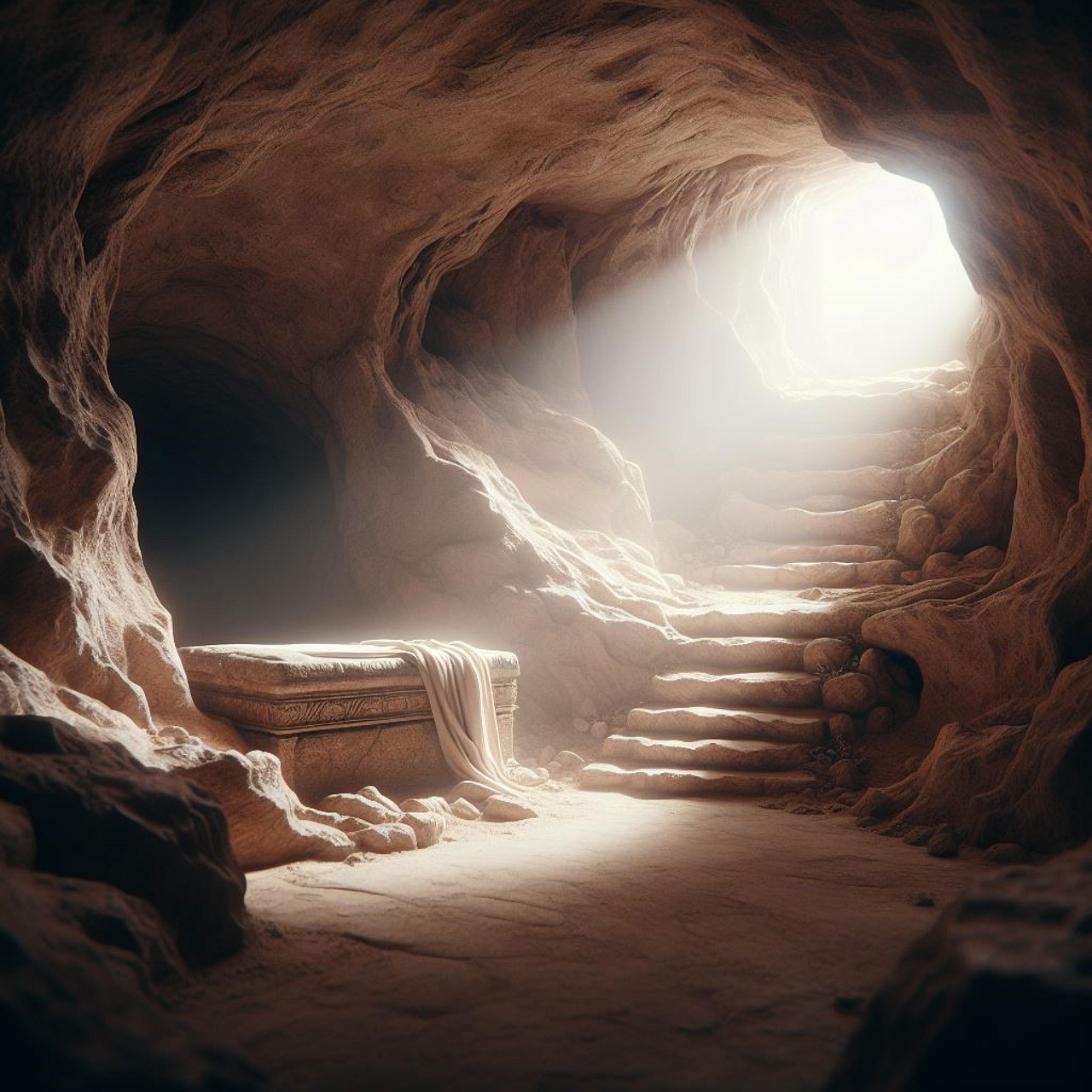
- John 20:6–7 notes that the linen cloths were lying there, and the face cloth was folded separately. Grave robbers would have taken the cloth or left them in disarray. The careful detail shows order, calm, and intention — signs of resurrection, not theft.
Mary Mistaking Jesus for the Gardener
- When Mary encounters the risen Jesus, she first thinks He is the gardener (v.15). This is rich with symbolism: in Genesis, humanity’s story began in a garden. Now in this garden tomb, the new creation begins with the resurrection of Christ.
“Do Not Hold On to Me”
- Jesus tells Mary in v.17 not to cling to Him because He has not yet ascended. He is teaching her that the resurrection is not about clinging to His old, physical presence but entering into a new reality of His Spirit and His mission.
Key Themes
The Empty Tomb as Evidence
- The physical reality of the empty tomb matters. Christianity is not based on vague spirituality but on a historical event.
Faith and Understanding
- John “saw and believed” (v.8), but the disciples still didn’t fully understand the Scriptures predicting resurrection. Faith often begins before full understanding catches up.
Personal Encounter with Jesus
- Mary recognizes Jesus not by sight but when He calls her by name (v.16). The resurrection is personal — the risen Lord knows and calls us individually.
The New Creation
- The garden imagery points back to Eden. Where the first Adam failed, the second Adam rose. Resurrection morning is the dawn of new creation.
Big Picture
The empty tomb is not the end but the beginning. It shifts the disciples (and us) from grief to joy, from despair to hope, from death to life. Jesus’ resurrection is both the foundation of the gospel and the start of new creation and He calls His people by name to live in that reality.
STUDENT RESOURCES:
Photo of Jesus Appearing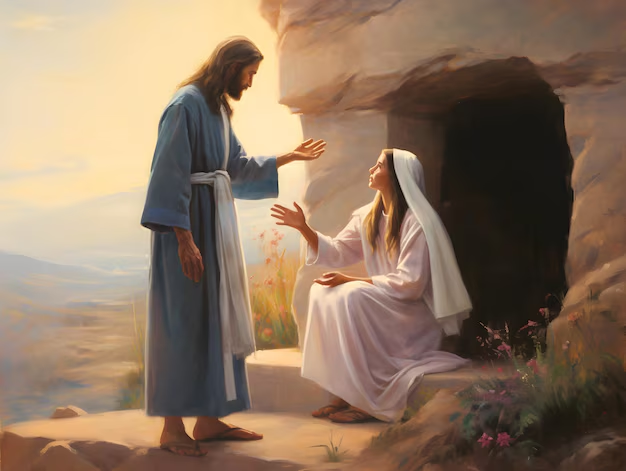
Photo of empty tomb
SMALL GROUP QUESTIONS:
Scripture (S)
- Read together! Encourage students to highlight or make note of anything that stands out to them.
- What details about the empty tomb (linen cloths, folded face cloth, Mary’s weeping) stand out to you?
- How does Mary finally recognize Jesus? Why is this important?
- What do you notice about the difference between Peter, John, and Mary in their responses?
Observation (O)
- Why do you think John includes the detail about women being the first witnesses?
- How does the orderliness of the grave cloths contrast with the chaos of crucifixion?
- What does Mary’s personal encounter tell us about how Jesus relates to His followers?
Application (A)
- Where in your life do you need resurrection hope — places that feel like “tombs”?
- How has Jesus called you by name in your own journey?
- How can you live this week as if the resurrection is true — in your choices, words, or relationships?
Prayer (P)
- Thank God for the victory of the resurrection.
- Ask Jesus to call you by name and help you hear His voice clearly.
- Pray for courage to share resurrection hope with others, just as Mary ran to announce, “I have seen the Lord!”

Dusty Bibles
Dusty Bibles is a 7-week small group journey designed to help students encounter Jesus through the Gospel of John. Built around a daily reading plan, each week includes two lessons (Wednesday + Sunday) tied directly to the passages your students are reading. Each lesson comes with context, leader resources, and small group questions to spark discussion. Plus, you’ll get a reading plan, screens, and logos to make the series your own. Invite your students to open their Bibles, dust them off, and discover the life-changing message of Jesus together.
7 Week Small Group Lesson Series.
Full package also available on Dropbox.
