OBJECTIVE:
- John 2:13-25
EXPLORE:
(These are different commentary notes that can be used to explain the context to our students. Feel free to use your own.)
Location
- The Second Temple in Jerusalem was a pivotal structure in Jewish history, serving as the focal point of religious and national life for centuries.
- It stood from 516 BCE to 70 CE, replacing the First Temple (which King Solomon built) destroyed by the Babylonians.
- Today, only the Western Wall (Kotel) remains as a physical remnant of this significant site.
Conversion then Cleansing
- John begins with the miracle of conversion: Jesus turning water into wine.
- He then records a work of cleansing: Jesus driving out corruption from the temple.
- This order is intentional: Jesus always works this way in His people—conversion first, then cleansing.
- Passover itself included the act of cleansing, as every speck of leaven (yeast) had to be removed from homes, symbolizing cleansing from sin.
Jesus’ Authority in the Temple
- During Passover, as many as 2.25 million Jews could be in Jerusalem (Barclay).
- Each had to pay the temple tax (about two days’ wages) in a special temple coin, creating a booming business for moneychangers.
- Some commentators believe Jesus used the whip only on animals, others say both men and animals—but in either case, the act was more about authority than violence.
- Jesus drove them out, poured out their money, and overturned tables.
- This happened in the Court of the Gentiles—the only place Gentiles could worship—which had been turned into a house of merchandise.
Superficial Belief and True Knowledge
- Many believed in Jesus when they saw the signs, but their faith was superficial—built on admiration of the spectacular rather than true trust.
- Because of this, Jesus did not commit Himself to them.
- Morgan: “If belief is nothing more than admiration for the spectacular, it will create in multitudes applause; but the Son of God cannot commit Himself to that kind of faith.”
- Jesus knew what was in man: our sin, weakness, and flaws.
- Yet He also saw the image of God in fallen humanity—and still chose to love.
STUDENT RESOURCES:
- The Chosen - Season 5, the famous -The cleansing of the temple 1
- Gospel of John Summary: A Complete Animated Overview (Part 1) [3:00-4:37]
Second temple (before destruction)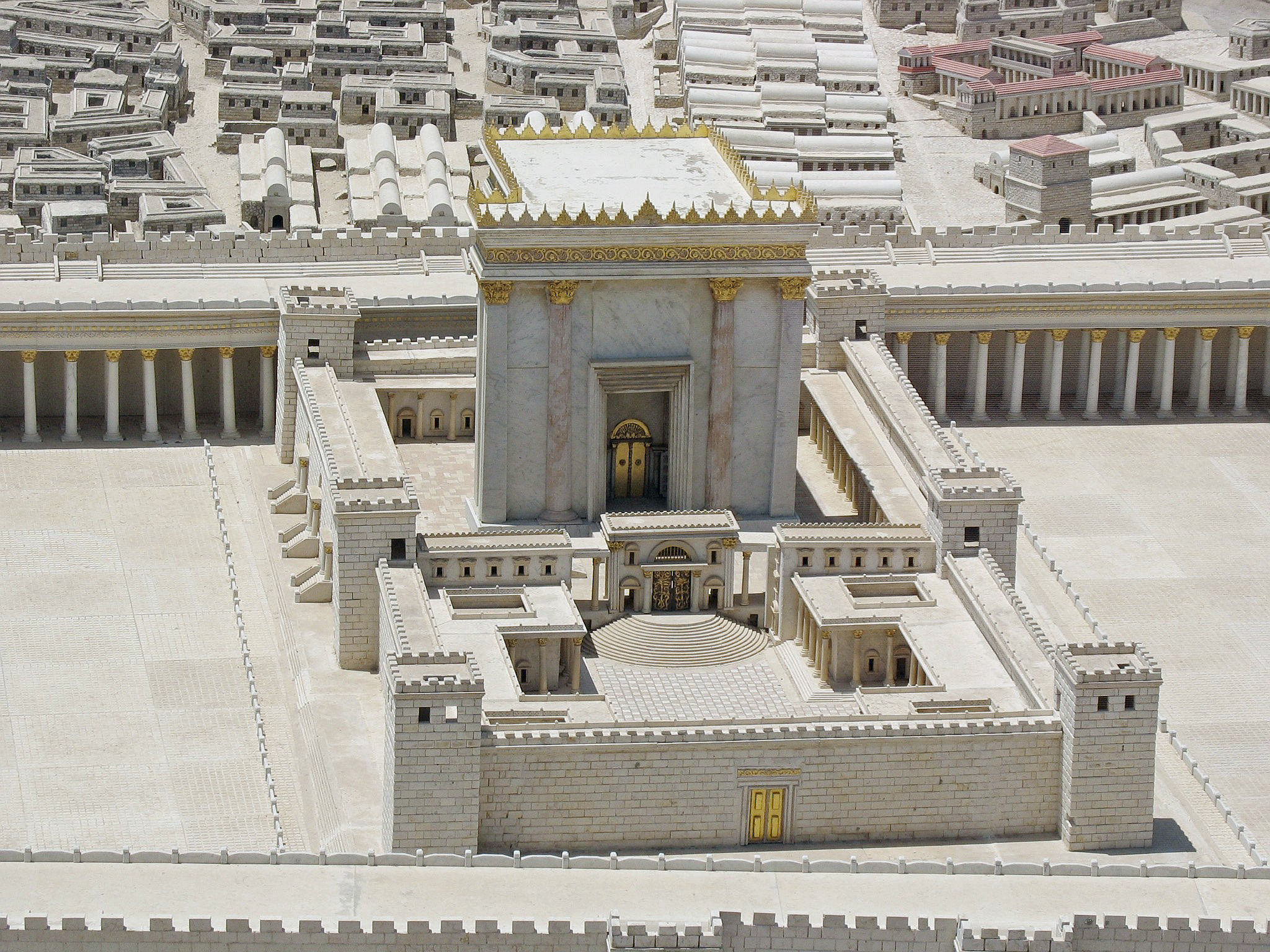
Second temple (after destruction by Roman army in 70 CE) 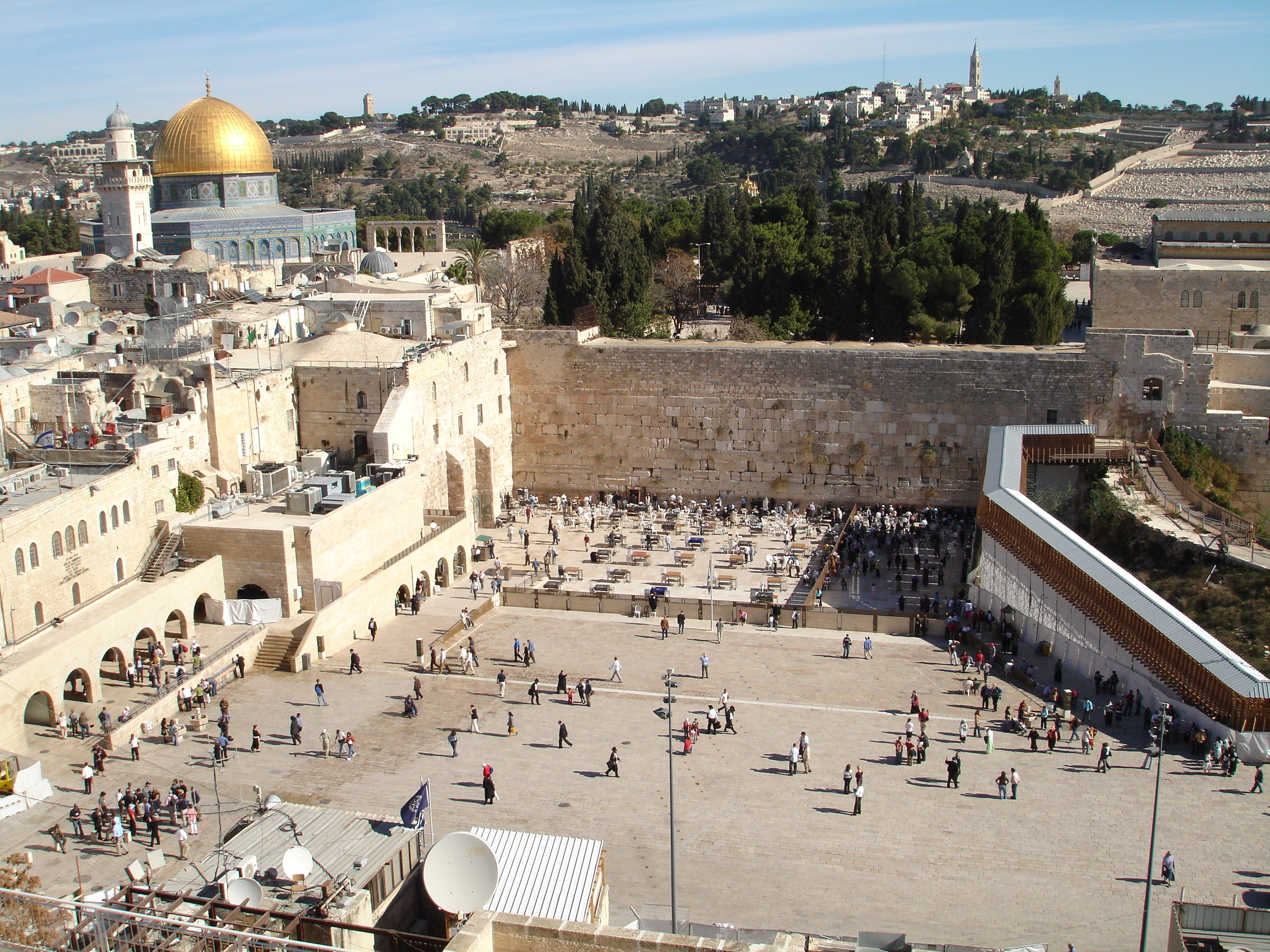
SMALL GROUP QUESTIONS:
Scripture (S)
- Read it together! What details stood out to you in this passage that you may not have noticed before? What context provided stood out to you as well?
Observation (O)
- Why do you think Jesus reacted so strongly to what was happening in the temple? What does this show us about His heart for God’s house?
Application (A)
- If our lives are like a temple for God’s Spirit (1 Corinthians 6:19–20), what “tables” might Jesus want to flip in our hearts or habits today?
- What’s one way you can show passion and respect for God’s presence in church, at school, or at home this week?
Prayer (P)
- Pray for God to give you a heart like Jesus, one that honors Him and removes anything that doesn’t belong.

Dusty Bibles
Dusty Bibles is a 7-week small group journey designed to help students encounter Jesus through the Gospel of John. Built around a daily reading plan, each week includes two lessons (Wednesday + Sunday) tied directly to the passages your students are reading. Each lesson comes with context, leader resources, and small group questions to spark discussion. Plus, you’ll get a reading plan, screens, and logos to make the series your own. Invite your students to open their Bibles, dust them off, and discover the life-changing message of Jesus together.
7 Week Small Group Lesson Series.
Full package also available on Dropbox.
